Failed Challenger Panel Replaced with New Square D Upgrade
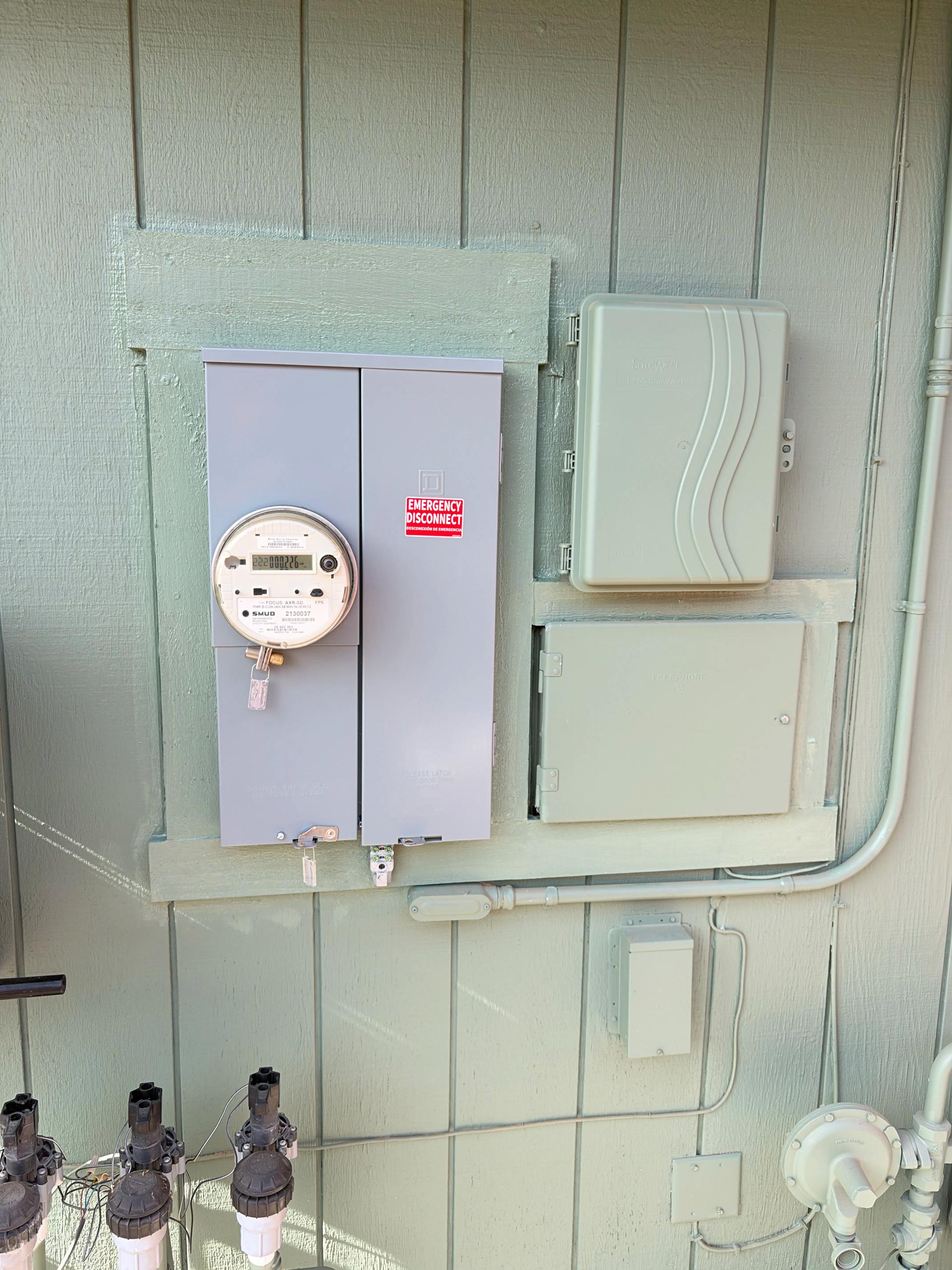
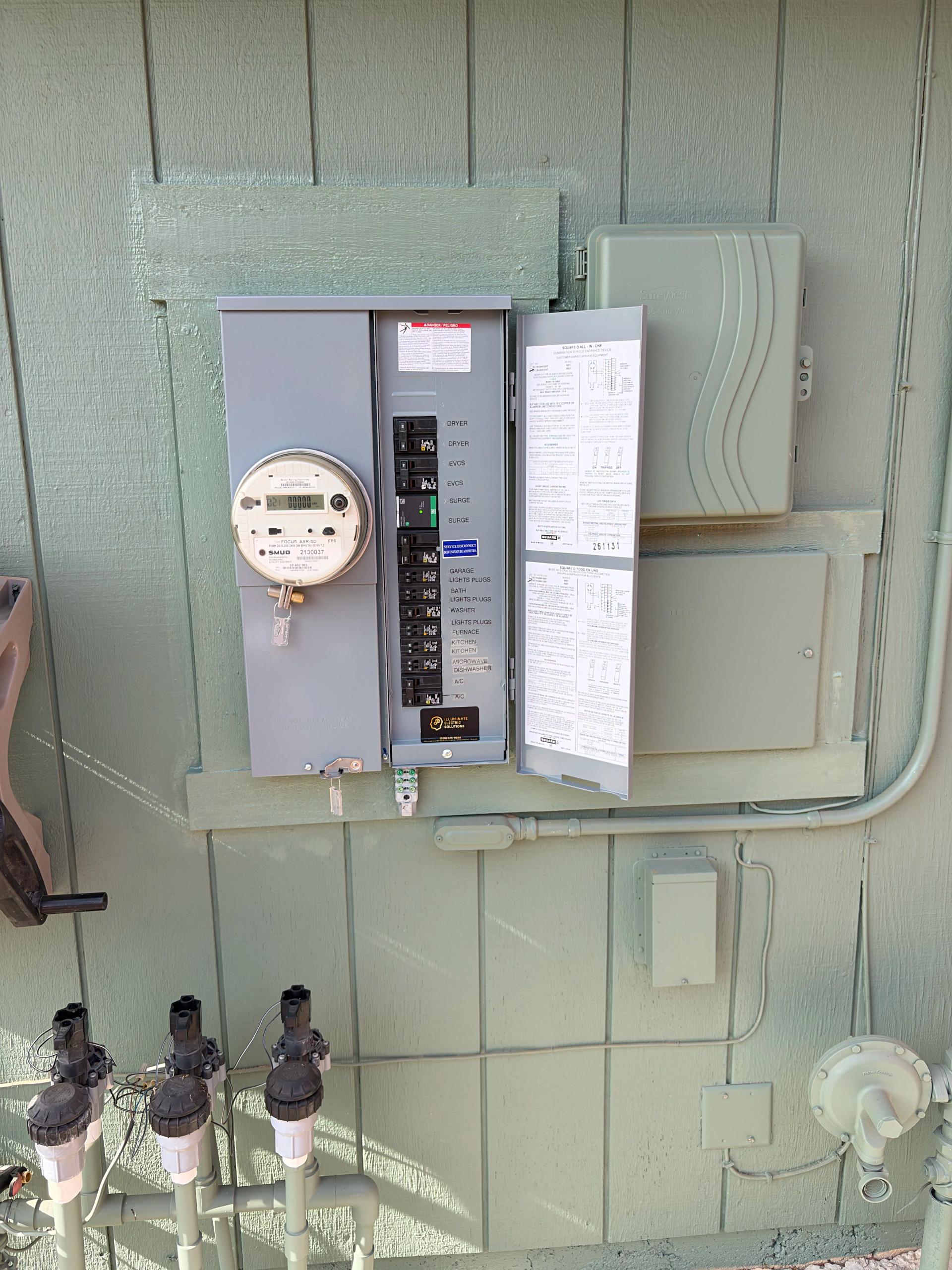
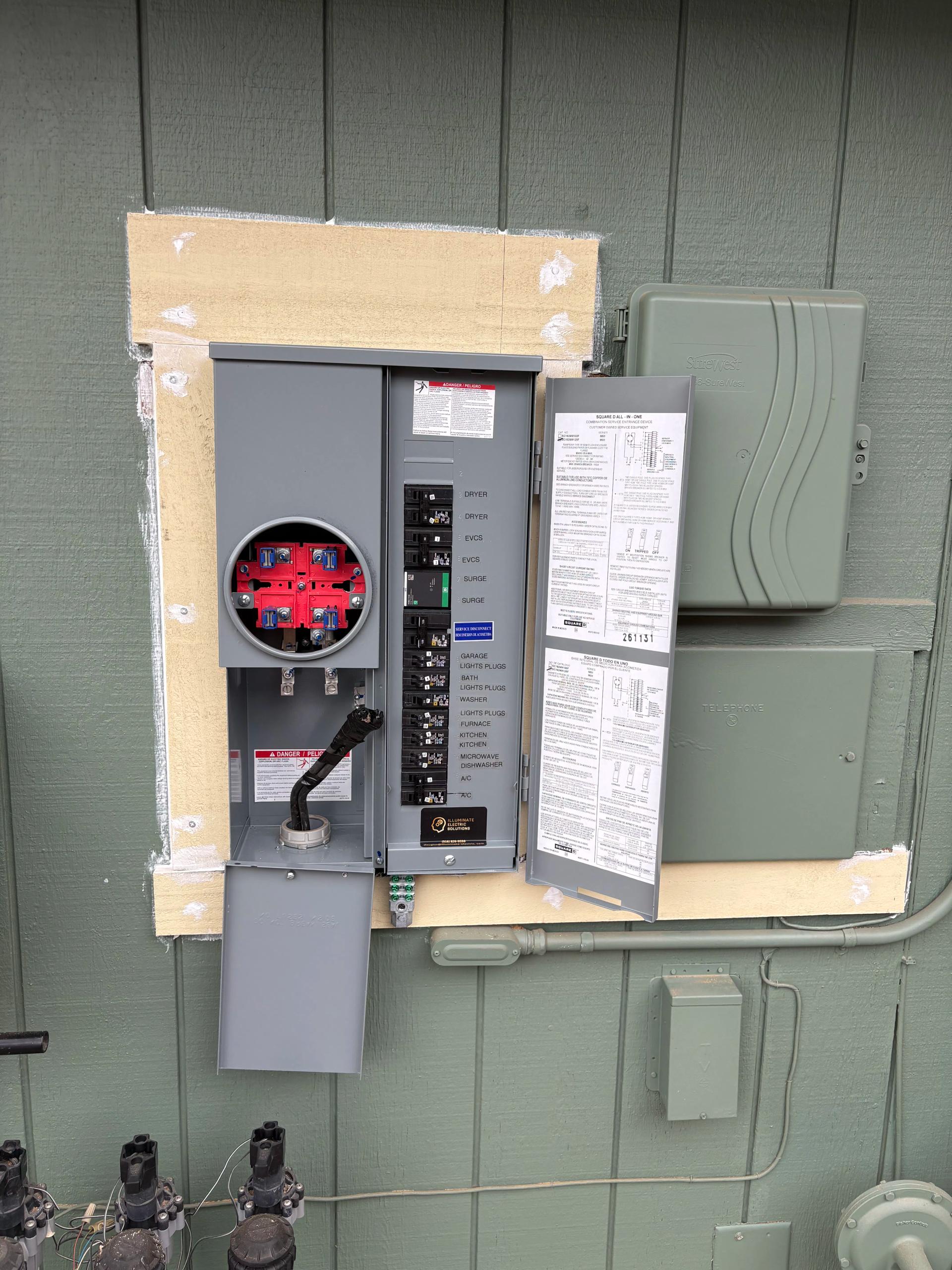
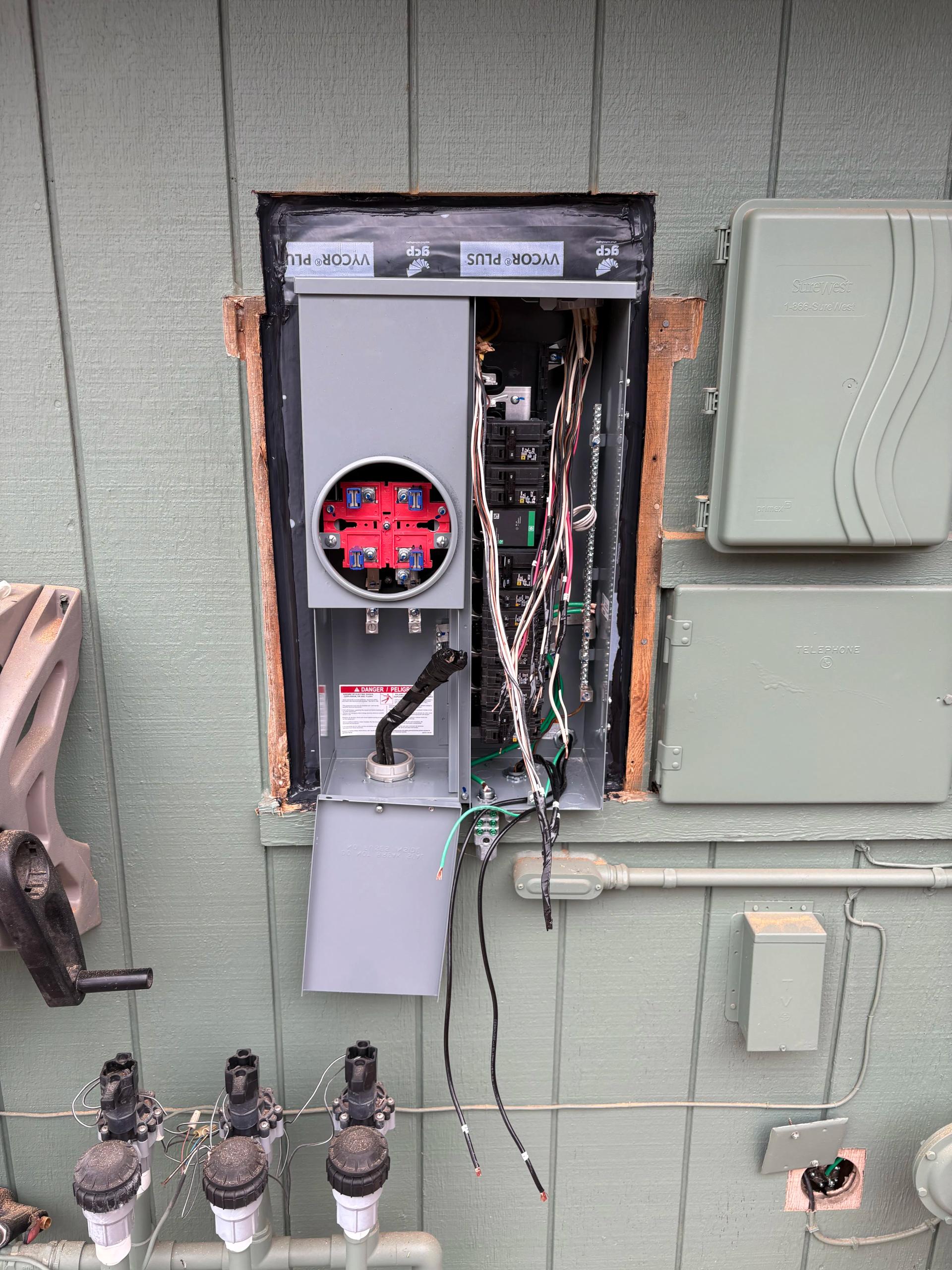
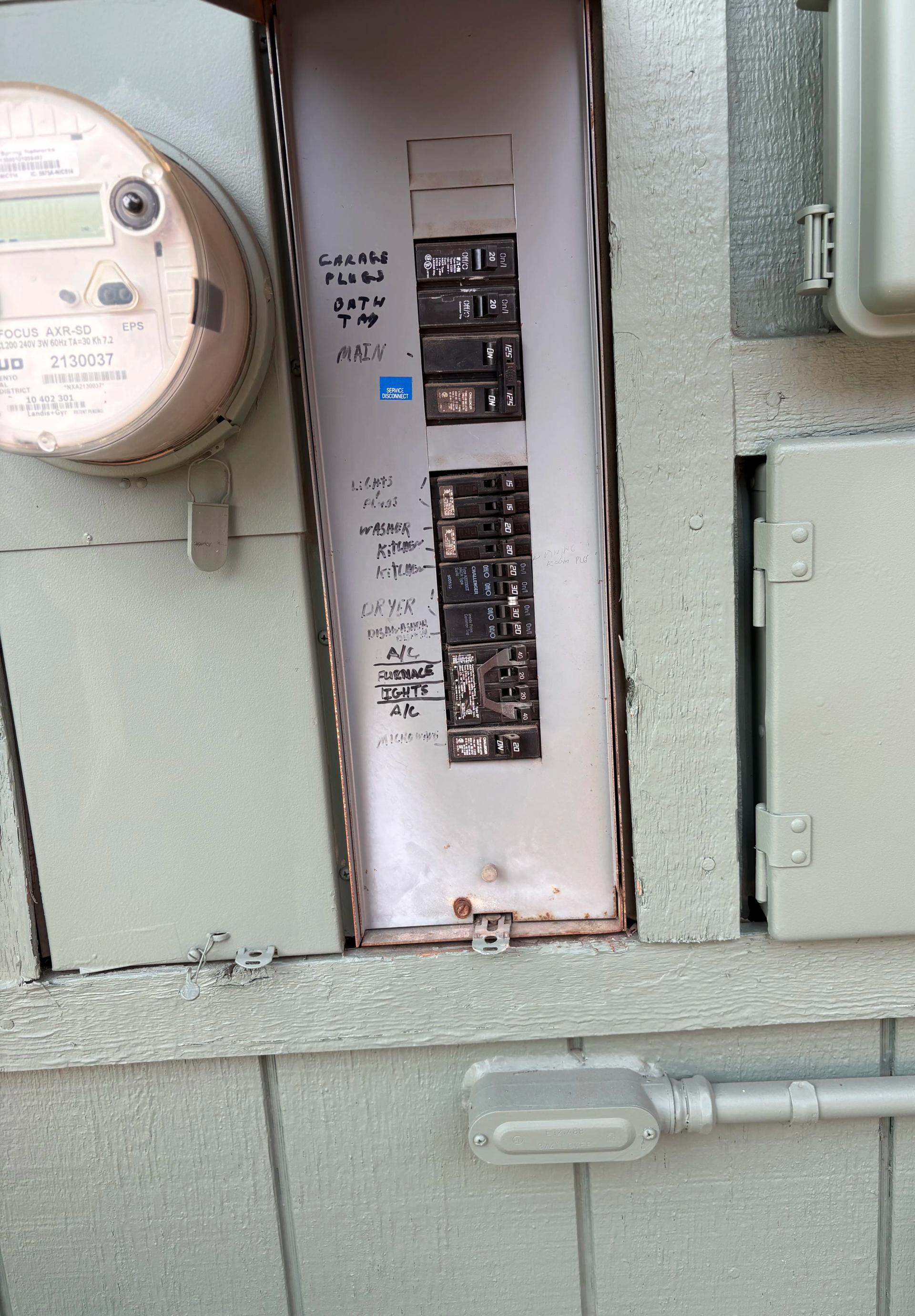
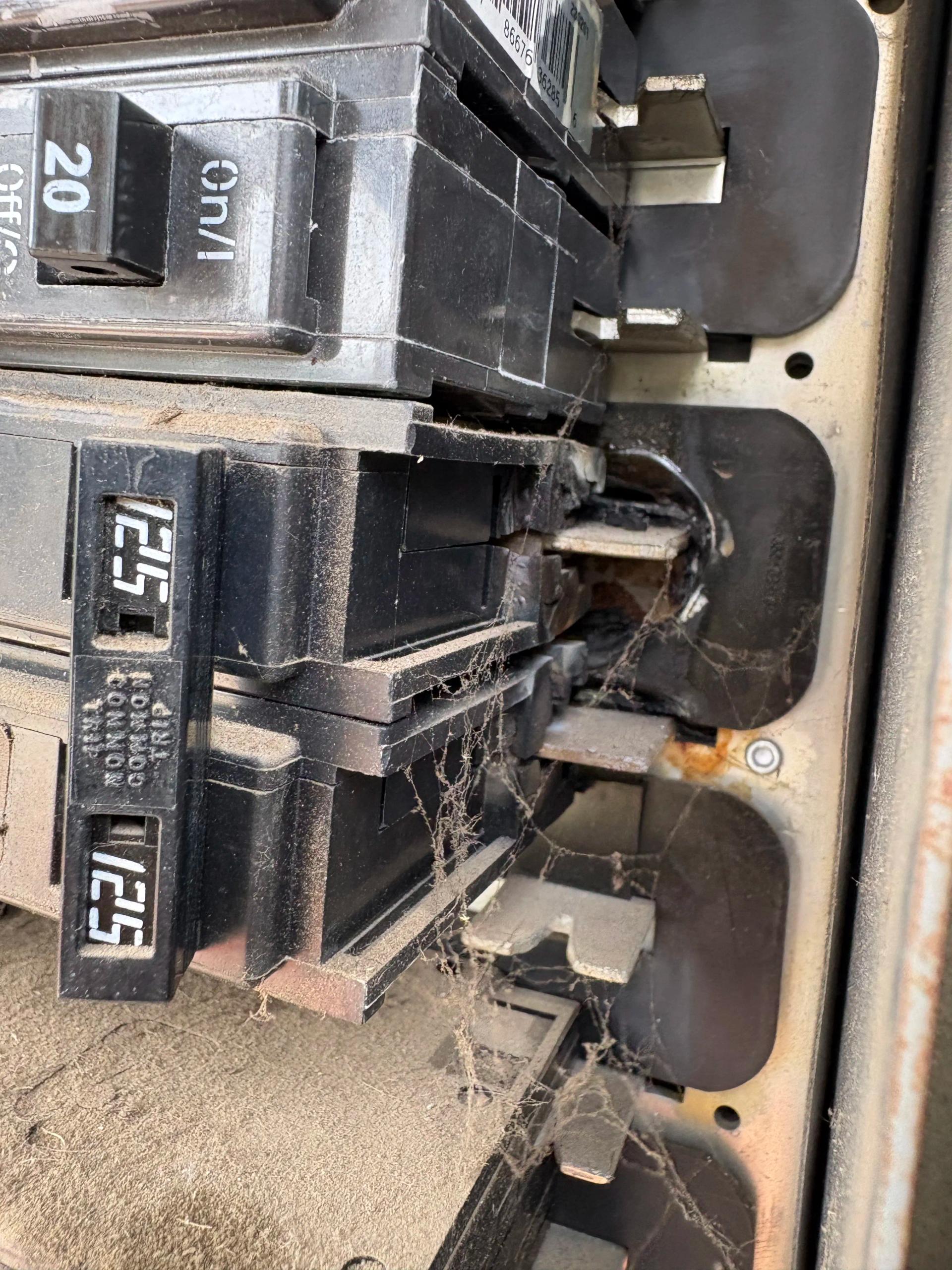
The main breaker on this aging 125 amp Challenger panel didn't just trip - it failed outright. That's the kind of thing that stops a household cold. No power, no workarounds, and a panel that was already on borrowed time.
Challenger panels sit on the same watch list as Zinsco and Federal Pacific. Insurers know it. Electricians know it. These panels have a documented history of breakers that don't trip when they're supposed to - which means instead of cutting power during an overload, they can let heat and current build up unchecked. That's a fire risk, not just an inconvenience.
Here's what we pulled out: a corroded, cobweb-filled main breaker with visible physical damage to the breaker housing and contact points. Circuit labels handwritten directly on the panel interior. A setup that had clearly been patched and worked around for years. It needed to go.
We swapped it out for a new Square D panel - properly mounted, weather-sealed with Vycor flashing around the wall opening, and every circuit labeled cleanly. The new panel also has dedicated slots for EV charging circuits and surge protection, which this home needed. It's a cleaner, safer, more capable setup than what was there before.
If your home still has a Challenger, Zinsco, or Federal Pacific panel, it's worth getting eyes on it - especially if your insurer starts asking questions. These aren't just old panels. They're panels with a known failure history, and a failed main breaker is one of the more serious ways that history catches up with you.